
Why Non-Toxic Cleaning Products for Pets Matter
Non toxic cleaning products for pets are essential for maintaining a safe home environment where your furry family members can thrive without exposure to harmful chemicals. Here are the top pet-safe cleaning solutions:
Best Non-Toxic Options:
- Plant-Based All-Purpose Cleaners – Brands like Seventh Generation, Method, and Mrs. Meyer’s use biodegradable formulas safe for pets
- DIY Solutions – White vinegar, baking soda, and hydrogen peroxide offer effective, affordable cleaning
- Enzyme Cleaners – Break down organic pet stains and odors naturally without harsh chemicals
- EPA Safer Choice Certified Products – Third-party verified to be safe for families and pets
Key Ingredients to Avoid:
- Bleach and ammonia (respiratory irritants)
- Essential oils (especially toxic to cats)
- Phenols (can cause liver damage)
- Phthalates (hidden under “fragrance” on labels)
It’s a common realization for pet owners: our pets live much closer to the surfaces we clean. They walk on freshly mopped floors, lick their paws, and rest on furniture, putting them in direct contact with cleaning residues. Because they also breathe more rapidly than humans, they inhale more airborne particles.
This growing awareness is reflected in consumer habits. A recent survey found that 70% of pet owners now consider the safety of cleaning products around their pets when making purchasing decisions. This demand has fueled the green cleaning market, which was valued at $25.5 billion in 2022 and continues to expand.
Traditional household cleaners pose real dangers to our pets. Dogs and cats can suffer from vomiting, diarrhea, respiratory distress, and even organ damage from exposure to common cleaning chemicals. Birds face even greater risks due to their highly sensitive respiratory systems. Even low-level, chronic exposure to residues on floors and furniture can impact your pet’s long-term health.
The good news? You don’t have to choose between a sparkling clean home and your pet’s safety. Modern non-toxic cleaning products deliver powerful results without the risks. From commercial brands formulated with plant-based ingredients to simple DIY solutions using pantry staples, effective alternatives exist for every cleaning challenge in your home.
Beyond pet safety, these products also improve indoor air quality for everyone in your household, reduce environmental impact, and are often gentler on your skin. For families with children, elderly members, or anyone with respiratory sensitivities, the advantages multiply.
As Founder of CleanSwans, I’ve spent years developing and implementing luxury home care programs that prioritize both pristine results and the well-being of our clients’ beloved pets, using only the safest non toxic cleaning products for pets across every property we service. My experience managing high-end residential cleaning has shown me that achieving exceptional cleanliness never requires compromising your pet’s health.
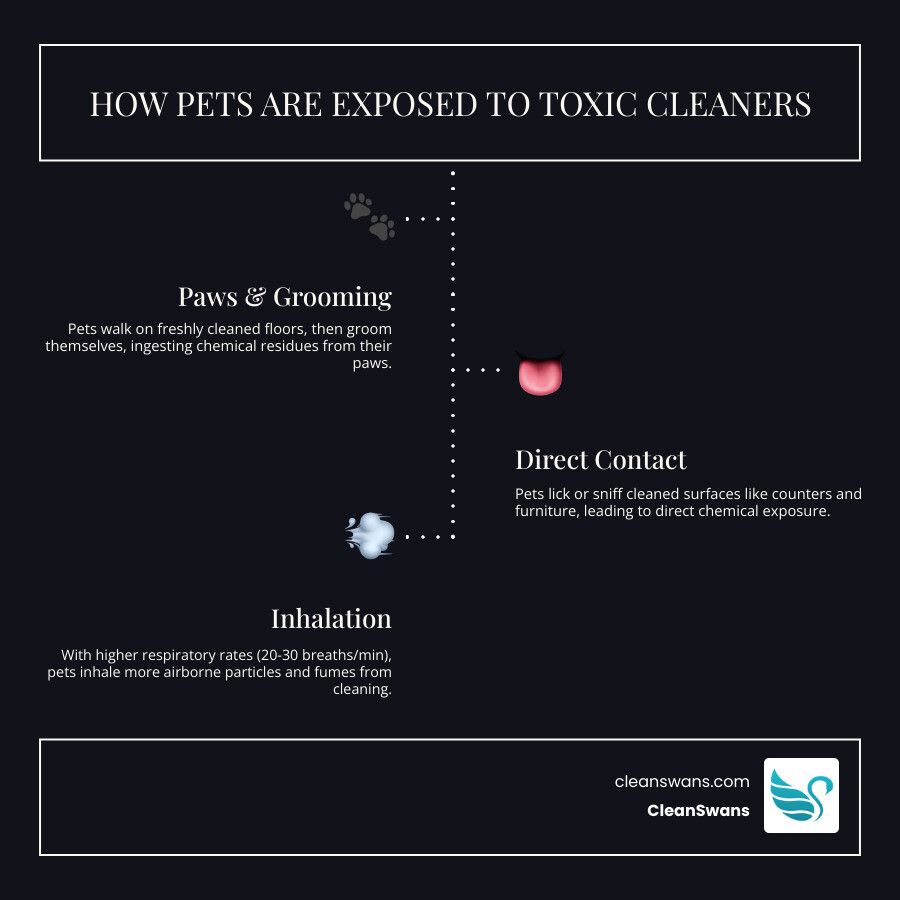
Pets encounter cleaning residues through three main pathways: direct contact with paws and fur, ingestion from licking cleaned surfaces or grooming themselves, and inhalation of airborne fumes. This exposure can lead to symptoms like drooling, vomiting, coughing, and lethargy. Since pets breathe more frequently than humans (20-30 breaths per minute vs. our 12-20), their risk from airborne chemicals is significantly higher.
The Hidden Dangers in Your Cleaning Cabinet
When we reach for a cleaning product, we’re often focused on its effectiveness against grime and germs. But have we truly considered the hidden dangers these common household chemicals pose to our beloved pets? Our furry, feathered, or scaled companions often explore their world with their mouths and noses, making them particularly vulnerable to toxic substances.
Pets are exposed to cleaning products in several ways:
- Inhalation: Because pets breathe more deeply and rapidly than humans, they inhale a greater concentration of airborne particles and fumes released during cleaning. This is especially true for birds, whose respiratory systems are incredibly sensitive.
- Ingestion: This is perhaps the most common and dangerous route. Pets walk on freshly cleaned floors, then groom themselves, licking residues from their paws and fur. They might also lick surfaces like countertops, shower walls, or even drink from toilet bowls where cleaners have been used. Young, curious pets are also prone to directly ingesting spilled products or even chewing on containers.
- Skin Contact: Direct contact with wet cleaning solutions or residues can cause skin irritation, burns, or be absorbed through the skin.
Many traditional cleaning products contain ingredients that are highly toxic to pets. Here are some of the main culprits we should be wary of:
Harmful Chemicals
- Ammonia: Found in glass and all-purpose cleaners, ammonia is a respiratory irritant that can cause coughing and sneezing. Its scent can also deter cats from using their litter boxes.
- Bleach (Chlorine): Highly corrosive, bleach can cause severe internal and external burns if ingested or touched. Fumes are also a respiratory irritant. Never mix bleach with ammonia, as it creates toxic gas. For more on this, consult the dangers of mixing cleaning products like ammonia and bleach.
- Phthalates: Often hidden in synthetic “fragrance,” these chemicals are endocrine disruptors that can affect reproductive health.
- Formaldehyde: A known carcinogen used as a preservative in some cleaners, it can irritate the skin, eyes, and respiratory system.
- Benzalkonium Chloride: A common disinfectant in products like Lysol and Clorox Wipes, it can cause tissue damage and gastrointestinal irritation if licked from a surface.
- Glycol Ethers: Found in many glass and multi-surface cleaners, these solvents are linked to kidney and liver damage in pets.
Symptoms of Poisoning
Recognizing the signs of cleaning product poisoning in your pet is crucial for timely intervention. Symptoms can vary depending on the chemical and the extent of exposure, but common indicators include:
- Drooling or excessive salivation: Often a sign of oral irritation or nausea.
- Vomiting and diarrhea: Common gastrointestinal reactions to ingested toxins.
- Respiratory issues: Coughing, sneezing, difficulty breathing, or rapid breathing can indicate inhalation of irritants.
- Skin/eye irritation: Redness, swelling, or pain in the affected areas.
- Weakness or lethargy: A general sign of systemic toxicity.
- Loss of appetite or refusal to eat.
- Distended belly or abdominal pain.
- Seizures or tremors: In severe cases affecting the central nervous system.
- Oral and esophageal ulcers: Caused by corrosive substances like bleach.
If you suspect your pet has been exposed to a toxic cleaning product, act quickly. Contact your veterinarian immediately or call the ASPCA Animal Poison Control Center hotline at (888) 426-4435. There may be a fee for their service, but it could save your pet’s life. For a comprehensive list of hazardous substances, refer to the ASPCA’s poisonous household products list.
Decoding the Labels: How to Choose the Best Non-Toxic Cleaning Products for Pets
Navigating the cleaning aisle can feel like a maze, especially when trying to find genuinely pet-safe options. Marketing terms like “natural” or “eco-friendly” can be misleading. As a company dedicated to providing superior cleaning experiences without compromising safety, we know that truly understanding what’s in our products is paramount. We believe in transparency, which is why we carefully select non toxic cleaning products for pets for all our services.
The key to making informed choices lies in reading ingredient lists carefully and looking for reliable third-party certifications. A significant 70% of pet owners already prioritize product safety, reflecting a growing demand for clearer labeling and safer alternatives.
Certifications to Look For
- EPA Safer Choice: The U.S. Environmental Protection Agency (EPA) Safer Choice program certifies products that meet strict human health and environmental criteria. Products with this label contain ingredients that are safer for families, pets, and the planet.
- ECOLOGO: This global certification indicates that products have met rigorous lifecycle-based environmental performance standards. It ensures reduced environmental impact throughout a product’s life cycle. Many brands like ECOS feature this certification.
- Leaping Bunny: While primarily for cosmetics and personal care, the Leaping Bunny certification indicates that a product and its ingredients are not tested on animals, which aligns with the values of pet owners seeking ethical and humane products.
Key Features of Non-Toxic Cleaning Products for Pets
When selecting non toxic cleaning products for pets, look for these specific characteristics that prioritize both cleanliness and safety:
- Plant-Based Ingredients: Products formulated with ingredients derived from plants, rather than harsh petroleum-based chemicals, are generally safer. Brands like Seventh Generation and Method are known for their plant-powered formulas.
- Biodegradable Formulas: These products break down naturally in the environment, reducing their ecological footprint. Method’s Squirt + Mop Wood Floor Cleaner, for example, is lauded for its plant-based and biodegradable formula.
- Fragrance-Free or Naturally Scented: Synthetic fragrances often contain phthalates and other irritants. Opt for truly fragrance-free products or those scented purely with natural essential oils—but with caution, as some essential oils can still be toxic to pets (more on this below). AspenClean, for instance, uses pure essential oils for scent, avoiding artificial ones.
- Dye-Free: Artificial dyes offer no cleaning benefit and can be unnecessary irritants or allergens for sensitive pets. Seventh Generation’s Free and Clear line is a good example of dye-free options.
- pH Neutral: Products that are pH neutral are less likely to irritate skin or damage surfaces. Some floor cleaners on Amazon, like OdoBan’s Pet Solutions No Rinse Neutral pH Floor Cleaner, highlight this feature.
- Enzyme Cleaners: These are fantastic for pet messes! Enzyme-based cleaners use natural biological agents to break down organic matter like urine, feces, and vomit, effectively eliminating stains and odors rather than just masking them. Rocco & Roxie Supply Co. Stain & Odor Eliminator and PetSafe Wee Care Pet Loo Enzyme Cleaner are popular choices.
Ingredients to Avoid
Even seemingly “natural” cleaning products can contain ingredients that are harmful to pets. It’s crucial to be aware of these red flags:
- Essential Oils: While natural, many essential oils are toxic to pets, especially cats, who lack the liver enzymes to metabolize them. Oils like tea tree, peppermint, citrus, pine, and eucalyptus are particularly dangerous and can cause respiratory distress or liver damage.
- Phenols: Found in some disinfectants with strong odors (like Pine-Sol), phenols can cause severe irritation and liver damage, especially in cats. The CDC advises avoiding phenol-based disinfectants around cats.
- Quaternary Ammonium Compounds (Quats): Common in antibacterial cleaners and fabric softeners (e.g., Lysol, Clorox Wipes), Quats can cause chemical burns and respiratory irritation if ingested.
- Artificial Fragrances and Dyes: These offer no cleaning benefit and are common allergens and irritants. Opt for fragrance-free products or those with pet-safe, naturally derived scents.
For a comprehensive guide on poisonous household products, the ASPCA provides a detailed list of poisonous household products that every pet owner should review.
Your DIY Pet-Safe Cleaning Toolkit
Embracing DIY cleaning solutions is a fantastic way to ensure you’re using truly non toxic cleaning products for pets. Not only are these methods cost-effective, using readily available ingredients from your pantry, but they also significantly reduce your home’s chemical footprint. As the statistics show, natural cleaning ingredients like vinegar and baking soda can notably reduce indoor air pollution, a benefit for both pets and humans.
Using Nature’s Power: Safe DIY Ingredients
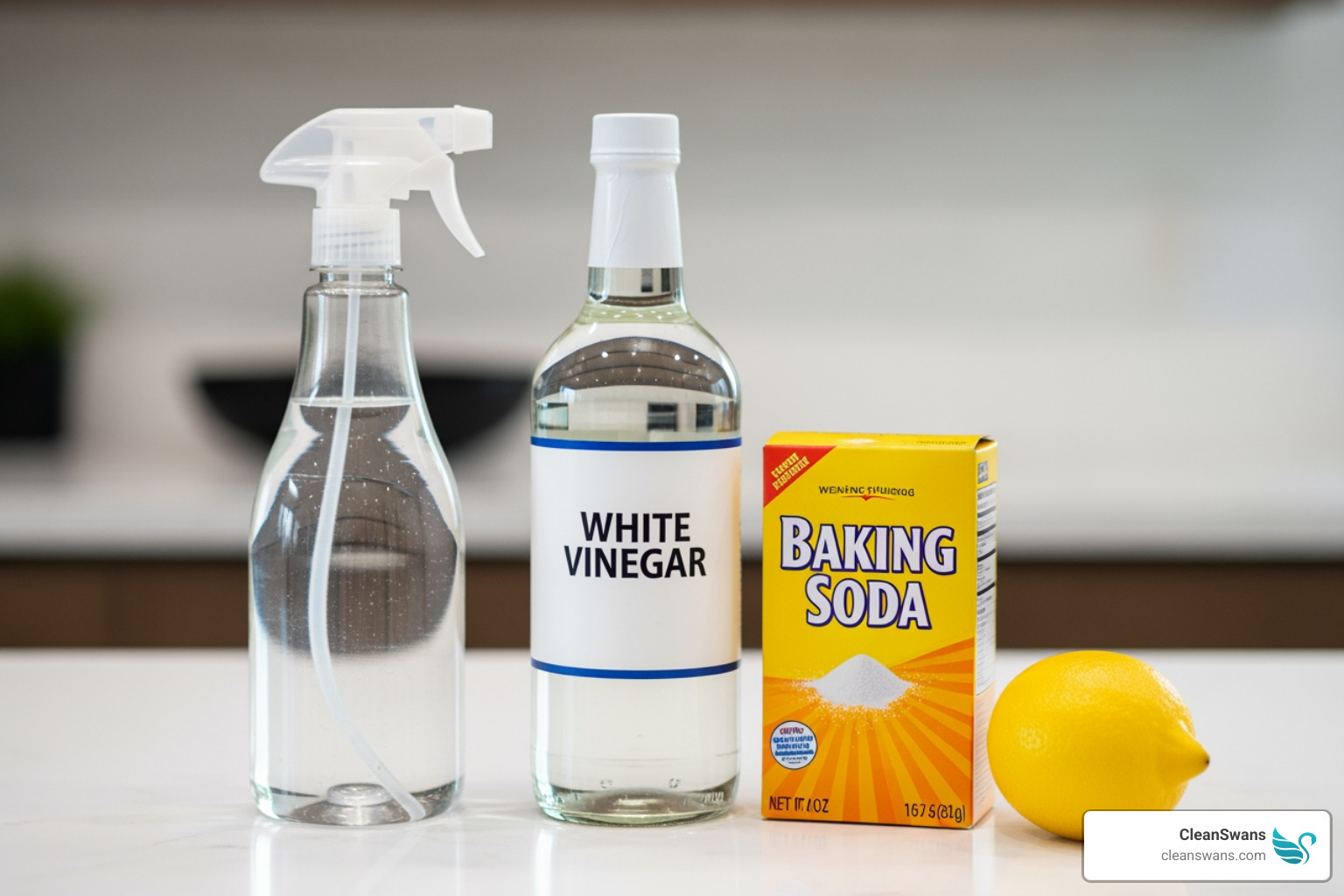
Using the power of simple, natural ingredients can make your home sparkling clean and pet-safe. Here are our top picks:
- White Vinegar: A mild acid, vinegar is a natural degreaser and deodorizer that kills some bacteria and mold. Its scent dissipates when dry. Note: The CDC does not recommend it as a primary disinfectant.
- Baking Soda: This mild abrasive is a powerful natural deodorizer. It’s great for scrubbing surfaces without scratching and absorbing odors from carpets and upholstery.
- Hydrogen Peroxide (3% solution): A safe alternative to chlorine bleach, it’s an effective stain remover and disinfectant, especially for organic messes like pet urine. Important: Never mix hydrogen peroxide with vinegar, as it creates a harmful acid.
- Lemon Juice: The citric acid in lemon juice helps cut through soap scum and hard water stains, leaving behind a fresh scent.
| Ingredient | Primary Uses | Best For |
|---|---|---|
| White Vinegar | Degreasing, Deodorizing, Mild Disinfecting | Glass, countertops (not stone), floors, descaling appliances. |
| Baking Soda | Deodorizing, Gentle Scrubbing | Carpets, upholstery, pet beds, sinks, tubs, and as a paste for grime. |
| Hydrogen Peroxide (3%) | Stain Removal, Sanitizing, Whitening | Tough organic stains (urine, blood), grout, disinfecting surfaces. |
Simple Recipes for a Clean, Safe Home
Here are a few easy-to-make, pet-friendly cleaning solutions:
- All-Purpose Vinegar Spray:
- Mix equal parts white vinegar and water in a spray bottle.
- Optional: Add a few drops of pet-safe essential oil (e.g., lavender for dogs, but avoid for cats). Or, better yet, steep citrus peels in the vinegar for a few days to naturally infuse a pleasant scent without the risks of essential oils.
- Use on countertops, floors (avoid unsealed stone), and hard surfaces. Always rinse thoroughly.
- Carpet Odor Neutralizer:
- Sprinkle a generous amount of baking soda over carpets, rugs, or pet bedding.
- Let it sit for at least 15-30 minutes, or longer for stubborn odors (even overnight).
- Vacuum thoroughly. This is excellent for absorbing odors caused by general pet dander and minor spills.
- Stain and Odor Remover Paste (for tough spots):
- Mix baking soda with just enough hydrogen peroxide (3%) to form a thick paste.
- Apply the paste to the stain (e.g., urine, vomit) and let it sit for 10-15 minutes.
- Scrub gently with a brush, then blot with a clean cloth.
- Rinse the area thoroughly with water and blot dry. Always test on an inconspicuous area first, as hydrogen peroxide can lighten some fabrics. This combination is particularly effective at breaking down organic pet messes.
The Pet-Safe Cleaning Playbook: Best Practices
Maintaining a clean home while safeguarding your pets requires more than just choosing the right products; it involves adopting smart cleaning habits. At CleanSwans, our professional teams are trained in these best practices, ensuring a spotless and safe environment for every home we service.
How to Clean Safely Around Your Furry Friends
- Ventilate the Area: Always open windows when cleaning to dissipate fumes and improve air quality for you and your pets.
- Rinse and Dry: After cleaning surfaces your pet can access (like floors), rinse with plain water and let them dry completely before allowing your pet back in the room.
- Store Securely: Keep all cleaning products, even non-toxic ones, in a locked cabinet or on a high shelf, safely out of your pet’s reach.
- Isolate Pets During Cleaning: The safest practice is to keep pets in a separate, closed-off room or outside while you clean.
- Wash Up Afterwards: Wash your hands after cleaning to avoid transferring any residue to your pet through petting.
- Use Dedicated Tools: Use separate sponges and cloths for pet-related messes (bowls, crates) to prevent cross-contamination, as recommended by the CDC’s guidelines on cleaning pet supplies.
For those in New York, New Jersey, Connecticut, Rhode Island, Massachusetts, Delaware, Maryland, Washington D.C. Metro, Virginia, North Carolina, South Carolina, Georgia, or Florida who prefer to leave the detailed cleaning to experts, you can find more info about our professional Pet-Friendly Cleaning Services.
Tackling Tough Pet Messes Safely
Pet messes are an inevitable part of pet ownership, but they don’t have to be a source of stress or chemical exposure. Different types of messes require different approaches:
- Urine Accidents: Blot fresh urine immediately. Apply an enzyme-based cleaner to break down the uric acid that causes stains and odors. Let it soak as directed, then blot dry. For set-in stains, try the baking soda and hydrogen peroxide paste from our DIY section.
- Vomit and Feces: After removing solid waste, treat the area with an enzyme cleaner or a diluted hydrogen peroxide solution. Blot thoroughly. Use baking soda to absorb any lingering odors before vacuuming.
- Muddy Paw Prints: On hard floors, use a plant-based floor cleaner. For carpets, let the mud dry completely before vacuuming up the dirt. Spot-treat any remaining stains with a mild soap and water solution.
- Cleaning Pet Bowls & Toys: Wash food and water bowls daily with hot, soapy water. The CDC recommends cleaning toys monthly and bedding weekly. Hard toys can be washed with soap and water, while soft toys can go in the washing machine with a pet-safe laundry detergent.
The goal is not just to remove the visible mess but also to eliminate odors and germs safely, ensuring a healthy environment for your entire family.
Frequently Asked Questions about Pet-Safe Cleaning
We often encounter common questions from pet owners eager to make their homes safer. Here are some of the most frequent inquiries we receive regarding non toxic cleaning products for pets:
Are vinegar and baking soda truly safe for all pets and surfaces?
Yes, when used correctly. Baking soda is very safe for pets and most surfaces. Diluted white vinegar is also safe for pets, but its acidity can damage porous surfaces like unsealed stone (marble, granite). Always dilute vinegar, rinse surfaces after use, and never use it on natural stone. The key is to prevent pets from ingesting concentrated amounts of either ingredient.
How can I tell if my pet has been affected by a toxic cleaning product?
Look for common signs of poisoning, which include vomiting, diarrhea, excessive drooling, coughing, difficulty breathing, weakness, lethargy, or skin irritation. If you suspect your pet has been exposed to a toxic product, contact your veterinarian or the ASPCA Animal Poison Control Center hotline at (888) 426-4435 immediately.
Do pet-safe cleaners disinfect as well as traditional ones?
It depends on the product. Many non toxic cleaning products for pets are excellent “cleaners” (removing dirt) and “sanitizers” (reducing bacteria), but not all are “disinfectants” (killing nearly all germs).
- DIY solutions like vinegar have some germ-killing properties but are not considered hospital-grade disinfectants.
- Enzyme cleaners are for breaking down stains and odors, not for disinfecting.
- Commercial products can be effective disinfectants. Look for products with an EPA Safer Choice label that are also registered as disinfectants. These have been proven to kill germs while meeting safety standards.
For everyday cleaning, a pet-safe cleaner is sufficient. For deep disinfection (e.g., after a pet has been sick), use an EPA-registered disinfectant, following all safety instructions like rinsing and ventilating the area.
Conclusion
Creating a home that is both impeccably clean and perfectly safe for your pets is a goal we share with countless pet owners across New York, New Jersey, Connecticut, Rhode Island, Massachusetts, Delaware, Maryland, Washington D.C. Metro, Virginia, North Carolina, South Carolina, Georgia, and Florida. The journey to a truly pet-friendly home begins with understanding the hidden dangers of traditional cleaners and making conscious choices about the products we bring into our living spaces.
We’ve explored why non toxic cleaning products for pets matter, delving into the risks posed by common chemicals and highlighting the benefits of safer alternatives. We’ve shown you how to decode product labels, identify key features of pet-safe cleaners, and, crucially, what harmful ingredients to avoid. Our DIY toolkit empowers you with simple, effective, and budget-friendly solutions using ingredients like white vinegar, baking soda, and hydrogen peroxide. Finally, we’ve outlined best practices for cleaning safely around your furry companions and tackling those inevitable pet messes with confidence.
The market for pet-safe cleaning solutions is growing, with innovative brands and products constantly emerging. This is a testament to the fact that you don’t have to choose between a sparkling home and your pet’s well-being. By reading labels, prioritizing certifications, and embracing both commercial and DIY non toxic cleaning products for pets, you can achieve a harmonious balance.
For pet owners seeking a perfect, worry-free clean, professional services offer an ideal solution. At CleanSwans, we pride ourselves on delivering bespoke, white-glove cleaning that prioritizes the health and happiness of your entire family, including your beloved pets. Our teams are expertly trained to use the safest, most effective non toxic cleaning products for pets and methods, ensuring a pristine environment without any hidden dangers.
Ready to experience the CleanSwans difference? Book your expert pet-friendly cleaning today and let us help you create a truly paw-some home.