
Why Your Floor Cleaner Matters More Than You Think for Your Pet’s Health
Non toxic floor cleaner for pets is essential because pets spend their entire lives at ground level, walking on, lying on, and licking the very surfaces you clean. Unlike humans who wear shoes and maintain distance from floors, your dog or cat comes into direct contact with chemical residues every single day.
Quick Answer: Best Non-Toxic Floor Cleaners for Pet Safety
- Look for: Plant-based ingredients, enzymatic formulas, biodegradable solutions
- Avoid: Ammonia, bleach, phenols, phthalates, artificial fragrances
- DIY Option: White vinegar and water (1:4 ratio) for most sealed floors
- Key Features: pH-neutral, residue-free, rinse-free formulas
- Floor Types: Check compatibility with hardwood, tile, laminate before use
The statistics are sobering. Indoor pollution from household cleaners can put pets at risk for anemia, liver and kidney damage, and cancer. More than 1 million children under five swallow poisons from household cleaners yearly in the U.S., and pets face similar dangers—often worse, because they groom themselves and lick their paws after walking across freshly mopped floors.
Your pet’s daily routine puts them in constant contact with whatever you use to clean. When your dog sprawls on the kitchen floor waiting for crumbs, or your cat grooms their paws after padding through the hallway, they’re ingesting trace amounts of your floor cleaner. Their noses hover inches from the ground, breathing in fumes that dissipate long before reaching human height.
The vulnerability is real. Concentrations of sulfates in cleaning products can range from 1-30%, and anything above 2% has been linked to skin irritation in both humans and animals. Ammonia causes coughing and throat irritation that can escalate to respiratory failure. Bleach creates painful lesions—both external and internal—even when floors appear dry.
But here’s the good news: you don’t have to choose between sparkling floors and your pet’s safety.
As Founder of CleanSwans, I’ve spent years developing luxury home care solutions that prioritize both pristine environments and the well-being of every family member—including the four-legged ones—which is why selecting the right non toxic floor cleaner for pets has become central to our white-glove service approach. Through managing countless high-end residential properties, I’ve learned that true luxury means never compromising on safety.
This guide walks you through everything you need to know: which ingredients to avoid, what makes a cleaner truly pet-safe, how to tackle stubborn stains and odors without harsh chemicals, and when to consider professional help for a truly worry-free clean.
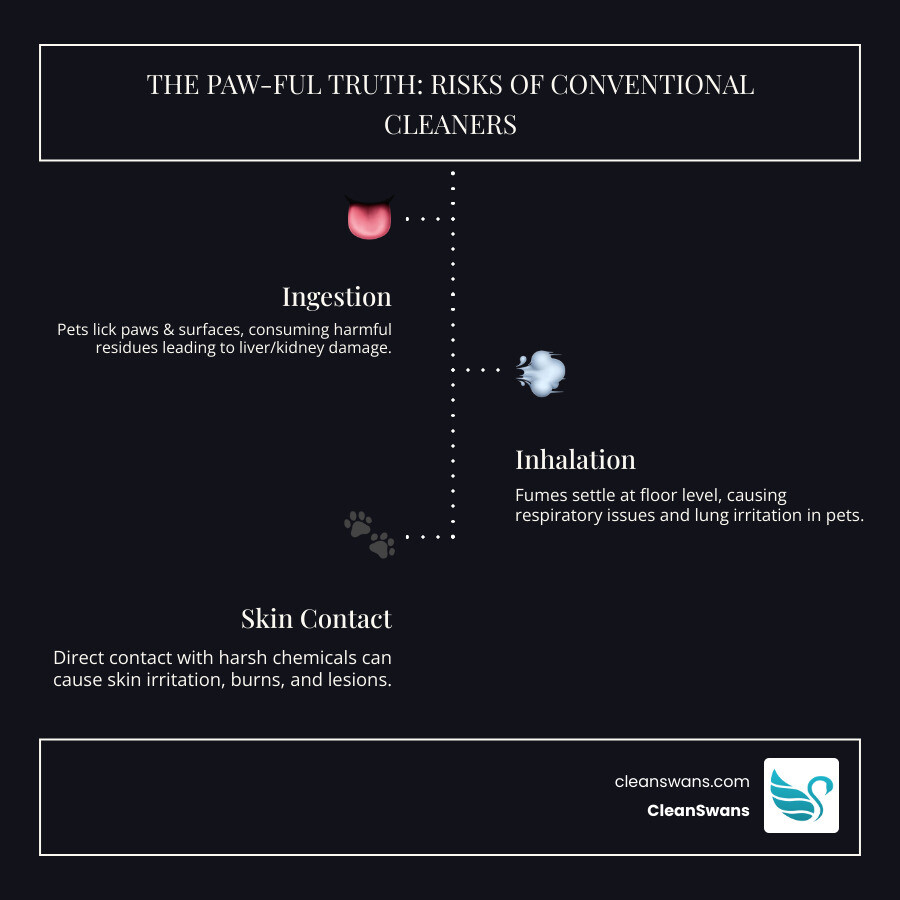
The Paw-ful Truth: Why Conventional Cleaners Are Risky
Our furry companions are more susceptible to household cleaning chemicals than we often realize. They spend the bulk of their lives at ground level, where cleaning residues settle and fumes linger. Imagine spending your entire day with your nose just inches from the floor, then licking your hands clean – that’s essentially what our pets do! This constant exposure, coupled with their grooming habits, means they can easily ingest or inhale harmful substances.
The consequences of this exposure can be severe. Indoor pollution, much of which is caused by household cleaners, can put pets at risk for anemia, liver and kidney damage, and even cancer. Strong fumes from these cleaners can exacerbate asthma and allergy symptoms, leading to respiratory issues. We understand that ensuring the wellbeing of pets is crucial, and choosing pet-safe floor cleaners is a significant step in that direction. Opting for products labeled as pet-friendly or non-toxic helps minimize exposure to harmful chemicals. You can find more information on managing exposure to cleaning products in cats and dogs from sources like Managing Exposure to Cleaning Products in Cats and Dogs.
Toxic Ingredients to Avoid on Your Floors
When selecting cleaning products for your home, especially a non toxic floor cleaner for pets, it’s crucial to scrutinize ingredient labels. Many common cleaning agents, while effective for human messes, can be highly toxic to our pets. Cleaning experts highlight several ingredients to “avoid at all costs.” Here’s a rundown of the worst offenders:
- Ammonia: This common household cleaner can cause skin burns, coughing, and throat irritation. In severe cases, it can lead to respiratory failure in animals.
- Bleach (Sodium Hypochlorite): Extremely harmful if ingested, even in small amounts. Pets drinking from a cleaning bucket or licking a wet floor can suffer painful lesions—both external and internal—eye irritation, shortness of breath, and vomiting. Even dried residue isn’t safe! Never mix bleach with other substances like ammonia, acids, or alcohol, as this can create extremely serious, sometimes fatal, chemical reactions.
- Phenols: Often found in disinfectants, phenols are particularly dangerous to cats, who are very sensitive to them. Exposure can lead to liver damage.
- Phthalates: These chemicals are found in some fragrances and plastics. Phthalate toxicity in animals has been noted for decades, especially concerning reproductive issues, and recent studies have focused on their potential carcinogenic effects.
- Formaldehyde: A known carcinogen, formaldehyde can be present in some cleaning products and can cause respiratory and skin irritation.
- Sulfates (e.g., SLS, SLES, ALS): These are surfactants that efficiently remove dirt and oil. While useful, concentrations greater than 2% have been linked to skin irritation in both humans and animals. Given that cleaning products might contain between 1-30%, it’s a risk we prefer to avoid for our pets.
- Artificial Fragrances: These are often cocktails of undisclosed chemicals, including phthalates. They can cause respiratory irritation, sneezing, headaches, and watery eyes in sensitive individuals, including pets. According to the EWG, it’s advisable to avoid household or flooring cleaners containing fragrances.
Are “Natural” Scents and Essential Oils Safe?
The word “natural” can be misleading, especially when it comes to essential oils in cleaning products. While they might smell pleasant to us, many essential oils are highly concentrated plant extracts that can be toxic to pets, particularly cats. Cats are more sensitive to chemicals than dogs due to their unique liver metabolism and diligent grooming habits, which increase the likelihood of ingesting toxins.
Some essential oils to be particularly wary of include:
- Tea Tree Oil (Melaleuca Oil): Highly toxic to both cats and dogs, causing symptoms like lethargy, tremors, and even paralysis.
- Peppermint Oil: Can cause gastrointestinal upset, lethargy, and muscle tremors.
- Citrus Oils (Lemon, Orange, Lime, Grapefruit): Contain d-limonene, which can be toxic to cats, leading to liver damage.
- Cinnamon Oil: Can cause irritation, low blood sugar, and liver damage.
- Pine Oils: Often found in traditional cleaners, these can cause liver and kidney damage.
Even if a product claims “natural” fragrances, it’s best to err on the side of caution. We always recommend choosing fragrance-free cleaners or those scented only with pet-safe, natural botanical extracts in very low concentrations. Always check ingredient labels carefully. If an ingredient is unrecognizable or on the list of toxic essential oils for pets, it might be safer to use a DIY solution or products specifically made for homes with pets.
Decoding “Pet-Safe”: What to Look for in a Non-Toxic Floor Cleaner for Pets
The term “pet-safe” isn’t always regulated, so understanding what it truly means is key to making informed choices. A non toxic floor cleaner for pets should be formulated without the harsh chemicals we discussed above. This means opting for products that are:
- Plant-Based Ingredients: These cleaners derive their cleaning power from natural sources like coconut, corn, or other plant extracts, which are generally gentler and less likely to cause irritation.
- Biodegradable Formulas: Products that break down naturally into non-toxic components are better for your home, your pets, and the environment.
- pH-Neutral Cleaners: Extreme pH levels (highly acidic or highly alkaline) can be corrosive or irritating. pH-neutral cleaners are gentler on surfaces and less likely to harm paws or skin.
- No Harsh Chemicals: This is the golden rule. Avoid anything containing bleach, ammonia, phenols, phthalates, formaldehyde, or harsh synthetic fragrances.
- EWG Rating System: The Environmental Working Group (EWG) provides a helpful rating system for cleaning products. Products rated ‘A’ by the EWG are generally considered safer options, indicating transparency and a lower risk of hazardous ingredients.
Maria Mooney, a cleaning expert, wisely notes, “The easiest way to ensure your cleaning products are safe for your furry companions is by ensuring that they are safe for you.” If you wouldn’t feel comfortable using it around children, it’s likely not ideal for pets either.
What to consider when choosing a non toxic floor cleaner for pets
Beyond just the “pet-safe” label, there are practical considerations for choosing the best cleaner for your home:
- Floor Type Compatibility: Different flooring materials react differently to cleaners.
- Sealed Hardwood: Look for pH-neutral, water-based cleaners specifically designed for wood to prevent dulling or damage. Bona Pet System Multi-Surface Floor Cleaner Spray is made for dog messes on hardwood.
- Tile, Linoleum, Vinyl, Sealed Stone: These surfaces are generally more forgiving. Many multi-surface pet-safe cleaners work well. Aunt Fannie’s Vinegar Wash Floor Cleaner gets rave reviews for tile.
- Unsealed Wood or Natural Stone: Be extremely cautious. Acidic cleaners like vinegar can etch or damage these surfaces. Always check the manufacturer’s guidelines.
- Spot Testing: Regardless of claims, always perform a spot test in an inconspicuous area of your floor before widespread use. This helps ensure the cleaner won’t discolor, damage, or leave an undesirable residue.
- Residue and Rinse-Free Formulas: Pets walk directly on your floors, so a cleaner that leaves a sticky or chemical residue can be easily tracked and ingested. Rinse-free formulas are ideal, as they minimize the chance of residue buildup. Reviewers of Aunt Fannie’s Vinegar Wash Floor Cleaner even note their dogs love to lick the floor after use, indicating its non-toxic, rinse-free nature.
- Cleaning Power for Pet Messes: A good non toxic floor cleaner for pets needs to be effective against common pet-related issues like mud, paw prints, drool, and the occasional “accident.” Look for cleaners that specifically mention tackling pet stains and odors.
The Power of Enzymes for Stains and Odors
When it comes to cleaning up pet messes, especially those delightful urine, vomit, or feces incidents, enzymatic cleaners are game-changers. Unlike conventional cleaners that might just mask odors or superficially clean a stain, enzymatic cleaners work at a molecular level.
How do they work? Enzymes are specialized proteins that act as catalysts to break down organic matter. In a pet stain cleaner, these enzymes target the specific proteins, fats, and carbohydrates present in urine, feces, and vomit. They essentially “eat away” the odor-causing and stain-causing molecules, completely neutralizing them rather than just covering them up.
For example, Puracy’s Natural Pet Stain & Odor Remover uses 5 plant-based enzymes (Protease, Amylase, Cellulase, Mannanase, Lipase) to destroy these particles at their source. This is crucial for true odor elimination, as it prevents pets from being drawn back to the same spot by lingering scents. Products like Nature’s Miracle Dual Action Hard Floor Stain & Odor Remover also get rave reviews for effectively removing all traces of urine, feces, and vomit.
Enzymatic cleaners are particularly beneficial for:
- Urine Stains: They break down the uric acid crystals responsible for that persistent urine smell.
- Vomit and Feces: They tackle the proteins and other organic compounds in these messes.
- Odor Elimination vs. Masking: True enzymatic cleaners eliminate odors, providing a fresh start, rather than just temporarily covering them with strong fragrances that can bother pets.
For those deep-seated pet odors or stains that require a thorough refresh, our Deep Cleaning Services use advanced, pet-safe techniques to ensure your home is not only sparkling clean but also completely fresh and healthy for your beloved animals.
The DIY Route: Crafting Your Own Pet-Friendly Cleaner
Sometimes, the best non toxic floor cleaner for pets is one you make yourself! The DIY route offers several appealing benefits:
- Cost-Effective: Many homemade solutions use inexpensive household staples, saving you money in the long run.
- Ingredient Control: You know exactly what goes into your cleaner, eliminating concerns about hidden toxins or irritating chemicals.
- Simplicity: Often, DIY recipes require just a few basic ingredients and minimal effort.
However, it’s also important to acknowledge the limitations. While effective for general cleaning and some stains, DIY cleaners may not always have the same deep-cleaning power or advanced stain/odor removal capabilities as specialized enzymatic products. They also require careful preparation and knowledge of which ingredients are safe for specific surfaces.
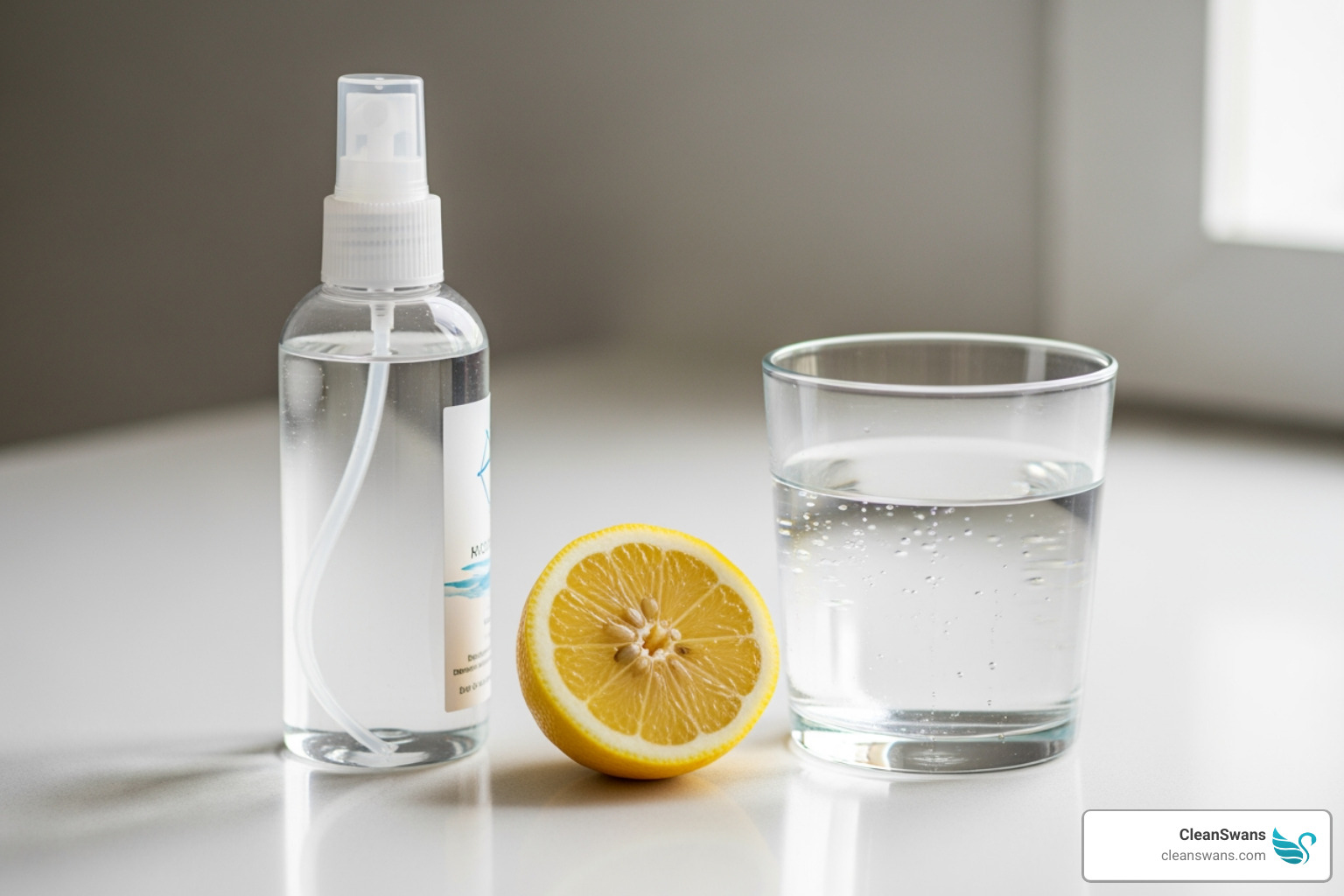
A Simple Recipe for a non toxic floor cleaner for pets
For a general-purpose, pet-safe floor cleaner that’s effective on many sealed hard surfaces, we often recommend a simple vinegar-based solution.
Ingredients:
- 1 part white vinegar (e.g., 1 cup)
- 4 parts water (e.g., 4 cups)
- Optional: A dash of lemon juice for extra freshness and cleaning boost (a few tablespoons)
- Optional: A few drops of unscented, pet-safe castile soap for added cleaning power (ensure it’s pure castile soap without added fragrances or essential oils).
Instructions:
- Combine the white vinegar and water in a clean spray bottle or mop bucket.
- If using, add a dash of lemon juice and/or a few drops of castile soap.
- Shake gently to mix.
Application Method:
- Sweep or vacuum the floor thoroughly to remove loose dirt and debris.
- For spray bottles: Lightly mist a small section of the floor.
- For mop buckets: Dampen a microfiber mop head in the solution, wringing it out well so it’s not dripping.
- Mop the section of the floor.
- Move to the next section, repeating the process.
This solution works wonderfully on tile, linoleum, sealed wood, and other hard flooring. Reviewers of Aunt Fannie’s Vinegar Wash Floor Cleaner praise its “squeaky clean” results, demonstrating the effectiveness of vinegar-based solutions.
DIY Safety: Surfaces and Ingredients to Avoid
While DIY cleaning is a fantastic option, it’s not a one-size-fits-all solution. There are crucial safety considerations:
- Vinegar Warnings: While versatile, vinegar is acidic and can damage certain delicate surfaces.
- Marble and Natural Stone: Avoid using vinegar on these surfaces as its acidity can etch and dull the finish over time.
- Unsealed Hardwood: Vinegar can strip waxes and sealants, potentially damaging unsealed wood floors. Always use products specifically designed for your wood floor’s finish.
- Mixing Chemicals: As we’ve emphasized, NEVER mix cleaning chemicals. Combining bleach with ammonia can produce deadly chloramine gas. Even mixing vinegar with hydrogen peroxide can create peracetic acid, which is highly corrosive. Stick to one cleaner at a time, or use well-researched DIY combinations.
- Baking Soda Caution: Baking soda is excellent for absorbing odors, but large ingestions can be dangerous for dogs. While a sprinkle on carpet followed by vacuuming is generally safe, avoid leaving large piles accessible to curious pets.
Always remember that even with pet-safe DIY solutions, it’s best to keep pets out of the cleaning area until the floors are completely dry.
A Guide to a Spotless, Safe, and Serene Home
Creating a home environment that is both impeccably clean and perfectly safe for your pets requires more than just choosing the right products; it demands mindful cleaning and storage habits.
Safe Cleaning and Storage Habits
Even the most natural and non toxic floor cleaner for pets can pose a risk if not used and stored properly. Here are our best practices:
- Keeping Pets Away: When cleaning, always keep your pets out of the area until the floors are completely dry. This prevents them from walking through wet cleaner, tracking it elsewhere, or ingesting it directly.
- Waiting for Floors to Dry: Even pet-safe cleaners, if ingested in large quantities, can cause upset stomachs. Ensure floors are thoroughly dry before allowing pets back into the cleaned space.
- Rinsing Surfaces: If you’re using a stronger cleaner or a DIY solution, a final rinse with plain water can help remove any remaining residue, giving you extra peace of mind.
- Proper Ventilation: Open windows and doors during and after cleaning to ensure good air circulation. This helps dissipate any lingering fumes, even from natural ingredients, and improves overall indoor air quality.
- Secure Storage: This is paramount. Store all cleaning products, whether pet-safe or not, in a cupboard, closet, or on a high shelf that your pets cannot reach or get into. Child-proof locks on lower cabinets are also excellent for preventing curious paws (and small hands) from accessing potentially harmful substances. The ASPCA Animal Poison Control Center (APCC) provides an excellent guide for knowing which household cleaning products to keep out of your pet’s reach.
Emergency Plan: What to Do If Your Pet Ingests a Cleaner
Accidents can happen, even with the best precautions. Knowing what to do if your pet ingests a cleaning product is critical.
Signs of Poisoning: Be vigilant for any unusual behavior or physical symptoms, which can include:
- Excessive drooling
- Vomiting (with or without blood)
- Diarrhea
- Lethargy or weakness
- Loss of appetite
- Difficulty breathing or coughing
- Oral irritation (redness, ulcers in the mouth)
- Tremors or seizures
Immediate Actions:
- Do NOT Induce Vomiting: Unless specifically instructed by a veterinarian, never try to make your pet vomit. Some substances can cause more damage coming back up.
- Contact Your Veterinarian IMMEDIATELY: Have the product name, ingredients, and approximate amount ingested readily available. Your vet can provide specific guidance.
- Call the ASPCA Animal Poison Control Center (APCC): This 24/7 hotline is an invaluable resource for pet owners. Their number is (888) 426-4435. A consultation fee may apply.
- Keep the Product Handy: If you need to go to the vet, bring the cleaning product bottle or packaging with you. This allows the veterinary staff to quickly identify the toxic agents and administer the appropriate treatment.
Acting quickly can make a significant difference in your pet’s outcome.
Frequently Asked Questions about Pet-Safe Floor Cleaning
We understand that pet parents have many questions about keeping their homes clean and their furry family members safe. Here are some of the most common inquiries we receive:
How do I get rid of stubborn pet urine smell from my floors?
Pet urine odor can be one of the most challenging smells to eliminate. The key is to act quickly and use the right products.
- Blot Immediately: As soon as you find the accident, use paper towels or a clean cloth to blot up as much urine as possible. Avoid rubbing, as this can spread the stain and push it deeper into the flooring or carpet fibers.
- Use an Enzymatic Cleaner: This is your best friend for urine stains. Enzymatic cleaners break down the uric acid crystals that cause the persistent odor. Apply generously to the affected area, ensuring it soaks into the same depth as the urine.
- Let It Sit: Follow the product instructions for dwell time, which can range from 15 minutes to several hours, or even overnight for stubborn smells. Covering the area with plastic wrap can help keep the cleaner moist and active.
- Avoid Ammonia-Based Cleaners: While ammonia is present in urine, using ammonia-based cleaners can actually make the odor worse and encourage your pet to mark the same spot again, as they may perceive it as another animal’s urine.
- Repeat if Necessary: For older or deeply set stains, you may need to repeat the process multiple times.
- Check Floor Manufacturer’s Guidelines: Always ensure the enzymatic cleaner is compatible with your specific flooring type.
For more detailed information on maintaining a pristine and pet-friendly home, check out our Frequently Asked Questions.
Is a Swiffer WetJet safe for pets?
The question of Swiffer WetJet safety for pets has circulated widely online. The ASPCA has actually officially debunked a rumor that claimed the cleaning solution was toxic enough to cause pet fatalities. However, while not immediately fatal, the product is not specifically marketed as “pet-safe.”
The solution contains ingredients like propylene glycol n-butyl ether and isopropyl alcohol, which can be irritating or harmful if ingested in large quantities. Since pets spend so much time on floors and often lick their paws, many pet owners prefer to avoid it.
Our recommendation? If you’re wondering whether the cleaning solution in Swiffer WetJet is pet-safe, you’ll need to read the ingredients and decide for yourself based on our guidelines for toxic chemicals. A safer alternative is to use Swiffer dry mops with a pet-safe cleaner of your choice or a DIY solution like vinegar and water in a refillable spray mop. This gives you complete control over the chemicals used on your floors.
Can I use the same floor cleaner on all my different floor types?
Not always, and it’s a common mistake that can lead to floor damage. While some multi-surface cleaners are designed to be versatile, it’s crucial to consider the specific needs of your flooring materials:
- Acidic Cleaners (like vinegar): As mentioned earlier, these can damage natural stone (like marble, travertine, or granite) by etching the surface, and they can strip the finish from unsealed wood floors.
- Harsh Chemicals: Bleach, ammonia, and other strong chemicals can discolor, dull, or even degrade the integrity of certain floor types, including laminate and some vinyls.
- Waxed Floors: Many cleaners can strip the wax layer, requiring reapplication.
- Rinse-Free vs. Rinsing Required: Some floors, especially sealed wood, benefit from rinse-free formulas that don’t leave excess moisture.
Always Check Product Labels: Manufacturers often provide specific instructions and warnings regarding compatible floor types.
Spot Test: Before using any new cleaner extensively, always test it in an inconspicuous area (e.g., under a rug, behind a door) to ensure it doesn’t cause discoloration or damage.
For a truly worry-free clean across all your diverse flooring, especially in our service areas like New York, New Jersey, and Florida, our team at CleanSwans is equipped with a range of professional, pet-safe products suitable for every surface.
Conclusion
We all want a clean home and happy, healthy pets. As we’ve explored, these two desires are not mutually exclusive. The journey to a spotless home with contented paws begins with a conscious choice about your cleaning products. By understanding what makes a non toxic floor cleaner for pets truly safe, you can protect your beloved animals from harmful chemicals lurking in conventional products.
Remember to prioritize cleaners with plant-based ingredients, effective enzymatic formulas for those inevitable pet messes, and biodegradable solutions. Always read labels carefully, avoiding the common culprits like ammonia, bleach, phenols, phthalates, and artificial fragrances. For general cleaning, a simple DIY solution of white vinegar and water can be a fantastic, budget-friendly option for many sealed floor types. And never underestimate the power of good cleaning habits and secure storage to keep your pets safe.
At CleanSwans, we believe that luxury cleaning means a home that’s not only sparkling but also genuinely safe and serene for every member of your family, including the furry ones. Our bespoke, white-glove service, available across states like Massachusetts, Virginia, and Georgia, is designed with this philosophy in mind.
For a truly bespoke and worry-free clean, explore our Pet Friendly Cleaning Services. Let us help you create an impeccably clean sanctuary where both you and your pets can walk all over it with absolute peace of mind.