
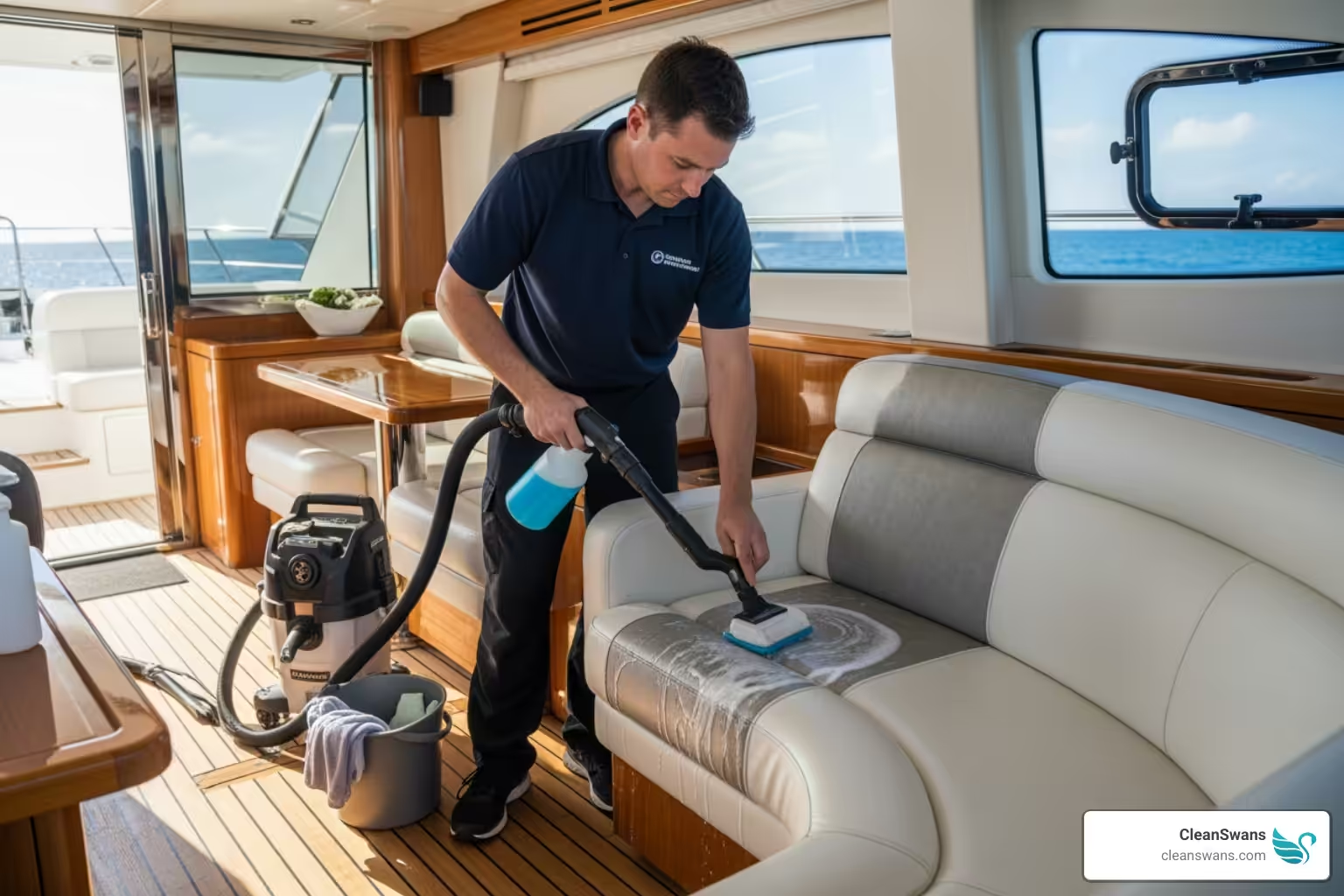
Why Your Yacht’s Upholstery Demands Specialized Attention
Yacht upholstery cleaning is essential for preserving both the aesthetic appeal and structural integrity of your vessel’s interior. Here’s what you need to know:
- Materials Matter: Marine-grade vinyl, Sunbrella fabric, and leather each require specific cleaning solutions and techniques
- Regular Maintenance: Deep cleaning every 6-12 months extends upholstery lifespan by up to 50%
- Professional vs. DIY: While regular vacuuming and spot cleaning are manageable, stubborn stains, mildew, and deep cleaning warrant professional services
- Cost Range: Professional cleaning typically runs $100-$500 per piece, depending on material and condition
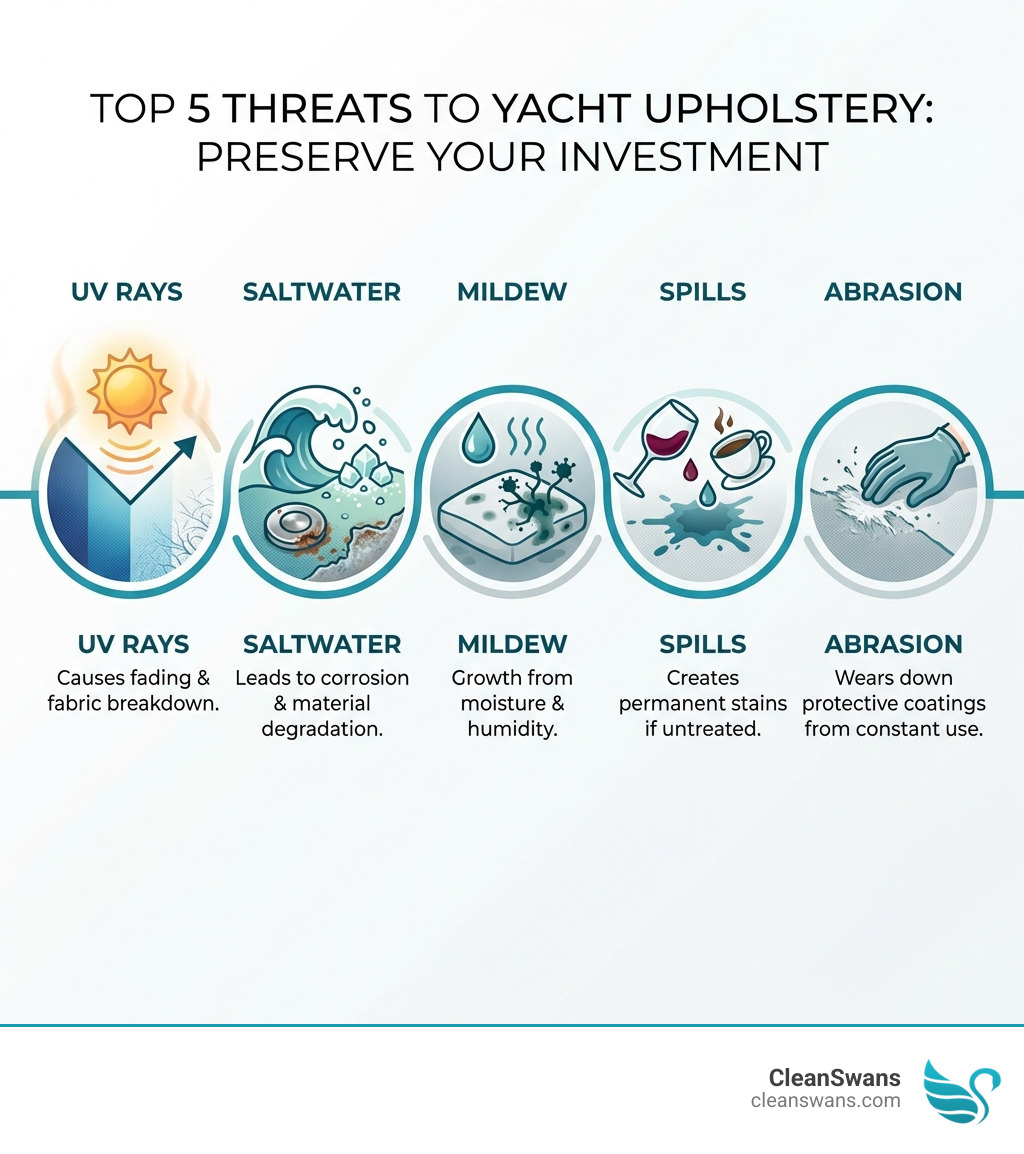
- Key Threats: UV rays, saltwater, mildew, spills, and abrasion cause the most damage to yacht upholstery
The marine environment is unforgiving. Your yacht’s upholstery faces constant assault from saltwater spray, relentless UV exposure, high humidity, and the inevitable spills that come with entertaining guests on the water. Unlike home furniture, yacht upholstery must withstand these harsh conditions while maintaining the luxurious appearance befitting a premium vessel.
The stakes are high. Neglected upholstery doesn’t just look bad—it accelerates wear, harbors allergens and mildew, and can significantly diminish your yacht’s resale value. The global yacht market, valued at $8.6 billion in 2022, reflects substantial investments that deserve proper protection. Regular, professional yacht upholstery cleaning is not merely cosmetic maintenance; it’s asset preservation.
As the founder of CleanSwans, I’ve developed specialized protocols for maintaining high-value assets across luxury residential and marine environments, including comprehensive yacht upholstery cleaning programs that address the unique challenges of the marine setting. This guide will walk you through when to clean yourself, when to call professionals, and how to protect your investment long-term.
Why Pristine Upholstery is a Non-Negotiable for Your Yacht
A yacht is more than just a vessel; it’s a statement of luxury, comfort, and adventure. And at the heart of that experience is the interior, particularly the upholstery. Imagine stepping aboard to faded, stained, or musty cushions—it instantly detracts from the entire experience. Pristine upholstery isn’t just about looking good; it’s about preserving the very essence of your yachting lifestyle.
Common Yacht Upholstery Materials and Their Needs
The first step in effective yacht upholstery cleaning is understanding the materials we’re working with. Unlike household furniture, marine upholstery is specially designed to endure the harsh marine environment.
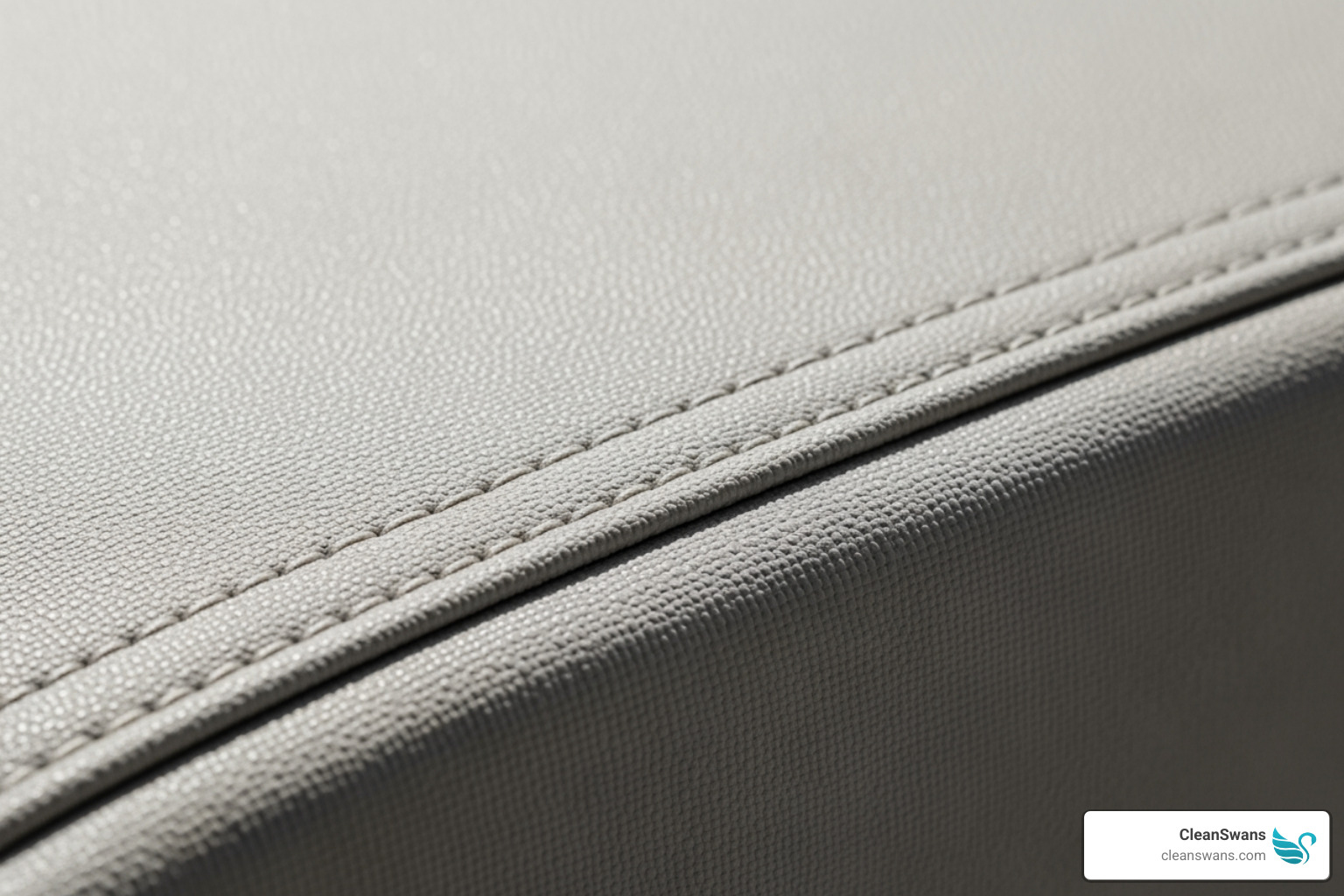
- Marine-Grade Vinyl: This is a workhorse on many yachts, prized for its durability and resistance to moisture. Many marine vinyls come with factory-applied protection, like Nano-Block Technology, which helps repel stains and resist UV damage. For general cleaning, a gentle soap and water combination is often the secret to success. We recommend using a mild, marine-specific vinyl cleaner, avoiding standard household products like dish soap. Why? Because the chemical compounds in regular soaps can break down the vinyl’s materials and thin out crucial UV protection layers, leading to premature cracking and damage. After cleaning, applying a specialized marine vinyl cleaner and restorer is vital to protect against harsh saltwater and sun exposure.
- Performance Fabrics (e.g., Sunbrella): Fabrics like Sunbrella are engineered for life on the water, boasting impressive resistance to UV rays, water, and mildew. While they don’t promote mildew growth themselves, mildew can flourish on accumulated dirt and debris. For light cleaning, simply brush off loose dirt, hose down the fabric, and then clean with a solution of mild soap (like Woolite® or Dawn®) and lukewarm water, using a soft-bristled brush. Rinse thoroughly and allow to air dry. For more stubborn stains or mildew, a diluted bleach solution (1 cup bleach and 1/4 cup mild soap per gallon of water) can be effective, but always test in an inconspicuous area first, rinse carefully, and be mindful of the environmental impact when cleaning near water. After repeated cleanings, these fabrics may benefit from a retreatment agent to restore their water and stain repellency. You can learn more about specific care for these materials at Learn how to clean Sunbrella Marine Upholstery.
- Genuine Leather: While less common for exterior seating, leather is a hallmark of luxury in yacht interiors. It requires a delicate touch. Regular dusting and wiping with a soft, damp cloth are crucial. For deep cleaning, we use specialized leather cleaners and conditioners. These products gently lift dirt without stripping the leather’s natural oils, followed by a conditioner to keep the leather supple and prevent cracking, which can be exacerbated by humidity and temperature fluctuations on a yacht.
Understanding these material differences ensures we apply the correct cleaning solutions and techniques, preserving the beauty and integrity of each surface.
The Impact of Neglect on Yacht Value and Longevity
Neglecting your yacht’s upholstery is akin to neglecting the engine—it leads to significant problems down the line.
- Aesthetics and Comfort: First and foremost, neglected upholstery compromises the yacht’s aesthetics and comfort. Faded colors, visible stains, and a musty odor can turn a luxurious experience into an unpleasant one. Imagine the impression a guest gets walking into a sparkling clean cabin versus one with visible grime.
- Resale Value: Your yacht is a significant investment. Proper maintenance, including regular yacht upholstery cleaning, directly impacts its resale value. Potential buyers will scrutinize the condition of the interior, and worn-out or damaged upholstery can lead to substantial deductions or even deter a sale. A well-maintained interior signals a well-cared-for vessel overall.
- Premature Wear and Tear: Marine upholstery is exposed to harsh elements like saltwater, UV rays, and constant use. Without proper cleaning and protection, these elements accelerate wear and tear, leading to premature fading, cracking, and breakdown of materials. This means your upholstery will need replacement much sooner than necessary.
- Costly Replacements: Replacing yacht upholstery is not a trivial expense. It can be a costly undertaking, often involving custom fabrication and specialized marine-grade materials. Regular cleaning and maintenance, however, can extend the lifespan of yacht upholstery by up to 50%, saving you significant money in the long run.
- Safety and Hygiene: Beyond aesthetics and cost, neglected upholstery can become a breeding ground for mold, mildew, and bacteria, especially in the humid marine environment. This isn’t just unpleasant; it can pose health risks and contribute to unpleasant odors, affecting the overall hygiene and safety of your yacht. Ensuring seats and cushions remain supportive and secure is also part of maintaining safety.
Investing in consistent upholstery care is an investment in your yacht’s enduring beauty, comfort, and value.
The DIY Dilemma: When to Clean and When to Call the Pros
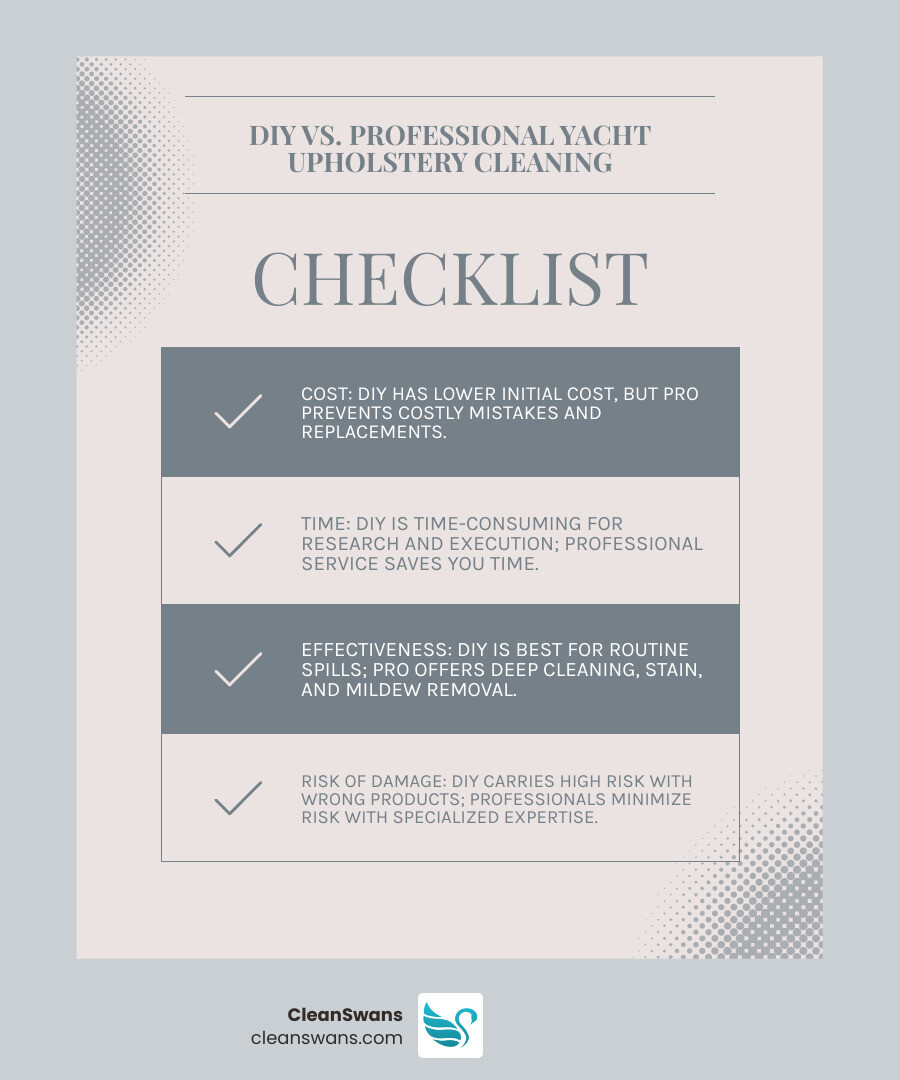
We all love a good DIY project, and for minor spills or routine tidying, taking matters into our own hands can be satisfying. However, when it comes to yacht upholstery cleaning, there’s a fine line between effective DIY and potentially damaging amateur attempts. Knowing when to roll up our sleeves and when to reach for the phone is crucial.
Essential Steps in DIY Yacht Upholstery Cleaning
For everyday maintenance and immediate spill response, DIY methods can be quite effective. Here’s what we recommend:
- Essential DIY Supplies: Keep a kit on board with a soft-bristled brush, several clean microfiber cloths, a vacuum cleaner with a soft brush attachment, a mild, pH-neutral soap (preferably marine-specific), and specialized cleaners for vinyl or fabric. White vinegar and baking soda can also be useful for natural spot treatments, but use with caution and always test first.
- Regular Vacuuming: This is your first line of defense. Use your vacuum with a soft brush attachment to regularly remove dust, dirt, crumbs, and debris from the surface. Pay special attention to crevices and seams where grime loves to hide. This prevents dirt from embedding itself into the fibers or vinyl, making deep cleaning easier down the road.
- Spot Cleaning Spills Immediately: Accidents happen, especially on a lively yacht. The key to successful stain removal is immediate action. For liquid spills, blot—don’t rub—with a clean, dry microfiber cloth. Rubbing can spread the stain and push it deeper into the material. For oil-based spills, applying an absorbent like cornstarch or talcum powder can help draw out the oil before gently brushing it away. Then, use a mild detergent mixed with water or a specialized cleaner to gently clean the area.
- Dangers of Harsh Chemicals: This is where many DIY attempts go wrong. While it might be tempting to grab that industrial-strength cleaner from your garage, harsh chemicals like bleach, ammonia, paint thinners, or even standard household dish soap can cause irreversible damage to marine upholstery. These chemicals can break down the material’s integrity, strip UV protection, cause discoloration, or make vinyl brittle and prone to cracking. We’ve seen how using the wrong product can lead to costly repairs or replacements, far exceeding the cost of professional cleaning. Always read labels and choose marine-specific, gentle cleaners.
When to Hire a Professional Service
While DIY cleaning is great for upkeep, there are definitive moments when calling in the professionals is not just advisable, but essential for the health and longevity of your yacht’s upholstery.
- Stubborn Stains: Some stains are simply beyond the scope of DIY solutions. Wine, oil, heavy food spills, or even sunscreen can leave persistent marks that require specialized techniques and equipment to remove without damaging the fabric.
- Mildew Remediation: Mildew thrives in humid marine environments. While minor surface mildew might be tackled with specific cleaners, deep-seated mildew can be pervasive, causing persistent odors and requiring thorough remediation to prevent recurrence. Professionals have the tools and solutions to effectively treat and remove mildew from deep within the upholstery.
- Deep Cleaning Needs: Even with regular vacuuming and spot cleaning, upholstery accumulates oils, dust, allergens, and microscopic debris over time. For regularly used furniture, deep cleaning should ideally be done every six months. If not used often, every 12 months may suffice, unless a musty smell or frequent abuse by children and pets is noticed. This level of clean requires industrial-grade equipment that DIY methods simply can’t match.
- Odor Removal: Lingering odors from spills, mildew, or general marine humidity can permeate upholstery. Professionals use ozone treatments and specialized deodorizers to neutralize odors at their source, leaving your yacht smelling fresh and clean.
- Delicate Fabrics: Some luxury yacht interiors feature delicate fabrics or intricate detailing that require extreme care. Attempting to clean these yourself without the right knowledge or tools can lead to irreparable damage.
- Lack of Time or Equipment: Let’s face it, yacht ownership is about enjoyment, not endless chores. If you lack the time, specialized equipment, or simply prefer to leave it to the experts, professional services are the perfect solution.
Professional yacht upholstery cleaning services can cost anywhere from $100 to $500 per piece, depending on the size, material, and level of soiling. This investment pales in comparison to the cost of replacing damaged upholstery. For comprehensive care that extends beyond simple wiping, we invite you to explore our detailed Marine Yacht Cleaning and Detailing services.
What to Expect from a Professional Yacht Upholstery Cleaning Service
When you choose professional yacht upholstery cleaning, you’re not just getting a deeper clean; you’re investing in expertise, specialized equipment, and a meticulous process designed to preserve and protect your valuable marine assets. We understand the unique challenges of yacht interiors, from the specific marine-grade materials to the confined spaces and delicate finishes.
The Deep Cleaning and Restoration Process
Our approach to yacht upholstery cleaning is thorough and systematic, ensuring every piece receives the attention it deserves.
- Initial Inspection: We begin with a detailed inspection of your yacht’s upholstery. This allows us to identify the type of material (vinyl, fabric, leather, etc.), assess the condition, locate specific stains or areas of concern (like mildew growth), and determine the most appropriate cleaning method. We also check for any pre-existing damage that needs to be noted.
- Material Identification: Correctly identifying the upholstery material is critical. Our technicians are trained to recognize various marine-grade fabrics and vinyls, understanding their unique properties and limitations. This ensures we select only compatible, safe, and effective cleaning solutions.
- Pre-Treatment of Stains: Stubborn spots, food spills, and high-traffic soiling are pre-treated with specialized, marine-safe solutions. These solutions are formulated to break down and loosen grime without harming the underlying fabric or vinyl. For mildew, specific anti-mildew treatments are applied to target the spores.
- Hot Water Extraction (for most fabrics): For many fabric upholsteries, we use hot water extraction, also known as steam cleaning. This method involves injecting a heated cleaning solution deep into the fabric and then simultaneously extracting it along with the loosened dirt, allergens, and moisture. This process provides a deep, thorough clean that removes embedded contaminants that regular vacuuming can’t reach. It’s highly effective for sanitizing and removing odors.
- Steam Cleaning (for delicate fabrics and certain vinyls): For more delicate fabrics or certain vinyls, we may opt for steam cleaning without excessive moisture. This uses high-temperature steam to sanitize and lift dirt, followed by careful wiping and drying.
- Leather Cleaning and Conditioning: For leather upholstery, we use a multi-step process. First, a gentle, pH-balanced leather cleaner is applied to remove surface dirt and oils. This is carefully wiped away, and then a premium leather conditioner is applied. This conditioning step is vital to restore moisture, maintain suppleness, and protect the leather from the drying effects of the marine environment, preventing cracking and extending its life.
- Drying and Dehumidifying: Proper drying is paramount in a marine environment to prevent mold and mildew. We use powerful air movers and, if necessary, dehumidifiers to ensure upholstery dries completely and efficiently. Our goal is to minimize drying time and eliminate any residual moisture.
- Final Inspection: Before we consider the job complete, we conduct a final inspection with you. We ensure every area meets our high standards and your expectations, leaving your yacht’s upholstery refreshed, sanitized, and looking its absolute best.
Why Choose Professional Yacht Upholstery Cleaning?
Choosing CleanSwans for your yacht upholstery cleaning needs offers distinct advantages that DIY methods simply can’t match.
- Specialized Equipment: We invest in industrial-grade equipment, including powerful hot water extractors, steam cleaners, and drying tools, that are far more effective than consumer-grade machines. This allows for a deeper clean and faster drying times, crucial for preventing mildew in marine settings.
- IICRC Standards: Our elite team adheres to industry-leading standards set by the Institute of Inspection, Cleaning and Restoration Certification (IICRC). This means our methods are scientifically proven and our technicians are expertly trained in the latest and most effective cleaning techniques.
- Expertise with Marine Fabrics: We possess in-depth knowledge of various marine-grade materials, from performance fabrics like Sunbrella to specialized vinyls and leathers. This expertise ensures we use the correct cleaning agents and methods for each specific material, preventing damage and maximizing effectiveness.
- Guaranteed Results: We are committed to delivering exceptional results. Our extensive experience and meticulous process mean we can tackle challenges that DIY methods might not address, from tough stains to pervasive odors, with confidence.
- Time Savings: Your time on the yacht should be spent enjoying the water, not scrubbing cushions. By entrusting us with your upholstery cleaning, you save valuable time and effort, allowing you to focus on what matters most.
- Proper Use of Chemicals: We use only professional-grade, marine-safe cleaning solutions. Our technicians are trained in the proper application and dilution of these chemicals, minimizing any risk to your upholstery, your yacht’s interior, and the marine environment. We know which chemicals to avoid, such as those that break down UV protection or make vinyl brittle.
For a truly pristine and long-lasting interior, trust the experts. See our full range of Custom Cleaning Requests custom to your yacht’s unique needs.
Maintaining Your Investment: Post-Cleaning and Preventative Care
Once your yacht’s upholstery has been professionally cleaned, the goal shifts to maintaining that pristine condition for as long as possible. Think of it as protecting your investment—because it truly is. A proactive approach to care can significantly extend the life and beauty of your marine interior.
Establishing a Regular Maintenance Schedule
Consistency is key when it comes to preserving yacht upholstery. By integrating regular cleaning into your yacht’s routine, we can prevent dirt and grime from building up and causing permanent damage.
- Recommended Cleaning Frequency: For regularly used areas, a light cleaning or vacuuming after each trip is ideal. For general deep cleaning, we recommend a professional service every six months. If your yacht is used less frequently, an annual deep clean may suffice, unless you notice specific issues like persistent odors or visible soiling. This aligns with industry best practices that suggest deep cleaning regularly used furniture every six months.
- Post-Trip Wipe-Downs: After each outing, a quick wipe-down of all surfaces with a damp microfiber cloth can remove salt residue, sunscreen, and light spills before they set in. For vinyl, a gentle soapy rinse is often sufficient.
- Deep Cleaning Every 6-12 Months: This is where professional services shine. Our deep cleaning protocols go beyond surface-level cleaning, extracting embedded dirt, sanitizing materials, and treating any specific issues like mildew or stubborn stains. This schedule ensures your upholstery remains hygienic and visually appealing throughout the seasons.
- Seasonal Cleaning: At the beginning and end of the boating season, especially if your yacht is stored, a thorough cleaning is essential. Before storing for the off-season, all fabrics, including upholstery and canvas tops, should be carefully cleaned and completely dried to prevent mildew during storage. This preparation is a critical step in preserving your investment.
To help you stay on top of your maintenance, we can assist with planning your next Harbor Ready Reset to ensure your yacht is always in top condition.
Protective Measures for Long-Term Preservation
Beyond cleaning, several preventative measures can significantly extend the lifespan and maintain the immaculate appearance of your yacht upholstery.
- Using Protective Covers: This is perhaps one of the simplest yet most effective preventative measures. Custom-fit protective covers for your exterior seating and interior cushions shield them from direct sunlight, dust, bird droppings, and accidental spills when the yacht is not in use. Some boat owners even store cushions indoors when possible to minimize exposure to the elements.
- UV Protectant Sprays: Just like sunscreen for our skin, UV protectant sprays act as a shield for your upholstery. Applying a high-quality marine-grade UV protectant, especially to vinyl and outdoor fabrics, helps block damaging rays that cause fading and material degradation. This is particularly important in our sunny service areas across Florida, Georgia, and the Carolinas.
- Managing Humidity Below Deck: High humidity is the enemy of yacht interiors, fostering mildew growth and unpleasant odors. Investing in good ventilation, dehumidifiers, and ensuring proper air circulation below deck can significantly reduce the risk of mildew on upholstery. Always ensure upholstery is completely dry after cleaning or exposure to moisture.
- Immediate Spill Response: We can’t stress this enough: address spills immediately! The faster a spill is blotted and treated, the less likely it is to become a permanent stain. Keeping a small cleaning kit on board with appropriate cleaners for different materials is a smart move.
- Guest Etiquette: A gentle reminder to guests about avoiding wet swimwear on cushions, using coasters, and being mindful of food and drinks can go a long way in preventing accidental damage. It’s all part of maintaining the luxury experience.
By combining regular professional yacht upholstery cleaning with these preventative measures, we ensure your yacht’s interior remains a source of pride and comfort for years to come.
Frequently Asked Questions about Yacht Upholstery Care
We often hear similar questions from yacht owners who are keen to keep their vessels in pristine condition. Here are some of the most common inquiries we receive regarding yacht upholstery cleaning.
How do you get mildew out of boat upholstery?
Mildew is a common adversary in the humid marine environment. For durable fabrics like Sunbrella, a solution of mild soap and diluted bleach (e.g., 1 cup bleach and 1/4 cup mild soap per gallon of water) can be effective. However, it’s crucial to always test this mixture on a small, inconspicuous area first to ensure no discoloration or damage occurs. Apply the solution, let it soak for about 15 minutes, gently scrub with a soft brush, and then rinse thoroughly until all soap and bleach residue is gone. Air dry completely. Bleach can have harmful effects on the natural environment, so use it responsibly and protect surrounding areas.
For most other materials, especially vinyl or delicate fabrics, bleach is a definite no-go as it can cause permanent damage, making the material brittle or discolored. In these cases, or for severe mildew infestations that have penetrated deep into the foam, professional remediation is the safest and most effective method. We use specialized, marine-safe anti-mildew treatments and extraction techniques to ensure complete spore removal without harming your upholstery, preventing recurrence and eliminating musty odors.
What is the best cleaner for marine vinyl?
The best cleaner for marine vinyl is often the simplest: a mild, pH-neutral soap mixed with water. For regular cleaning, a gentle soap and water combination is highly effective. Many boat manufacturers, like Sportsman Boats, recommend avoiding standard household cleaning products, such as dish soap, as their chemical compounds can break down the vinyl’s materials and diminish its factory-applied UV protection.
For tougher grime or stains, dedicated marine vinyl cleaners are recommended. These products are specifically formulated to be safe for marine vinyl, often containing UV protection compounds to help maintain the material’s integrity and appearance. Always choose cleaners that explicitly state they are safe for marine vinyl and avoid products with harsh chemicals like ammonia, bleach, or paint thinners. These can permanently damage the vinyl, leading to it becoming brittle, cracking, or discoloring over time, which can be costly to repair or replace. After cleaning, applying a marine vinyl protectant can further shield the material from sun and saltwater damage.
How much does it cost to have yacht upholstery professionally cleaned?
The cost of professional yacht upholstery cleaning can vary significantly. Generally, prices can range anywhere from $100 to $500 per piece, but this is a broad estimate. The actual cost depends on several key factors:
- Size of the Yacht and Upholstery: Larger yachts with more extensive upholstery will naturally incur higher costs.
- Type of Material: Delicate fabrics, genuine leather, or specialized performance materials may require more specialized (and thus more expensive) cleaning solutions and techniques compared to standard marine vinyl.
- Condition and Level of Soiling: Upholstery with heavy soiling, deep-set stains, extensive mildew, or strong odors will require more intensive cleaning processes, which can increase the overall cost.
- Specific Services Required: Basic cleaning will be less expensive than a full deep clean that includes stain removal, mildew remediation, odor treatment, and protective treatments.
- Geographic Location: While we operate across a wide service area from New York to Florida, pricing can sometimes see minor variations based on local market conditions and logistical considerations.
To get an accurate estimate, we always recommend a personalized quote after an initial assessment of your yacht’s upholstery. This allows us to understand your specific needs and provide transparent pricing for the bespoke service you deserve.
Conclusion
The journey of yacht ownership is one of pride, luxury, and enjoyment on the open water. A pristine interior, especially well-maintained upholstery, is fundamental to this experience, reflecting the care and attention you invest in your vessel. We’ve explored the critical importance of yacht upholstery cleaning, from understanding the unique needs of marine-grade materials to the significant benefits of professional expertise.
By embracing a proactive approach to maintenance—combining diligent DIY care for everyday spills with professional deep cleaning services—you not only preserve the beauty and comfort of your yacht but also safeguard its long-term value. Neglecting upholstery leads to accelerated wear, costly replacements, and a diminished onboard experience. Regular cleaning and preventative measures, such as protective covers and UV sprays, can extend the lifespan of your upholstery by up to 50%, a testament to the power of proper care.
At CleanSwans, our commitment to excellence in yacht upholstery cleaning stems from a deep understanding of the marine environment and the high standards our clients expect. We bring specialized equipment, IICRC-certified expertise, and a meticulous, white-glove approach to every yacht we service across our regions, including New York, New Jersey, Connecticut, Rhode Island, Massachusetts, Delaware, Maryland, Washington D.C. Metro, Virginia, North Carolina, South Carolina, Georgia, and Florida.
For a truly bespoke and discreet service that protects your investment, explore our White Glove Yacht & Marine Services. Let us ensure your yacht’s interior remains as breathtaking as the views from its deck.